Fold, Shape, Save: Join the Recycled Origami Revolution – A Challenge for Green Parents!
3 minute read

3 minute read
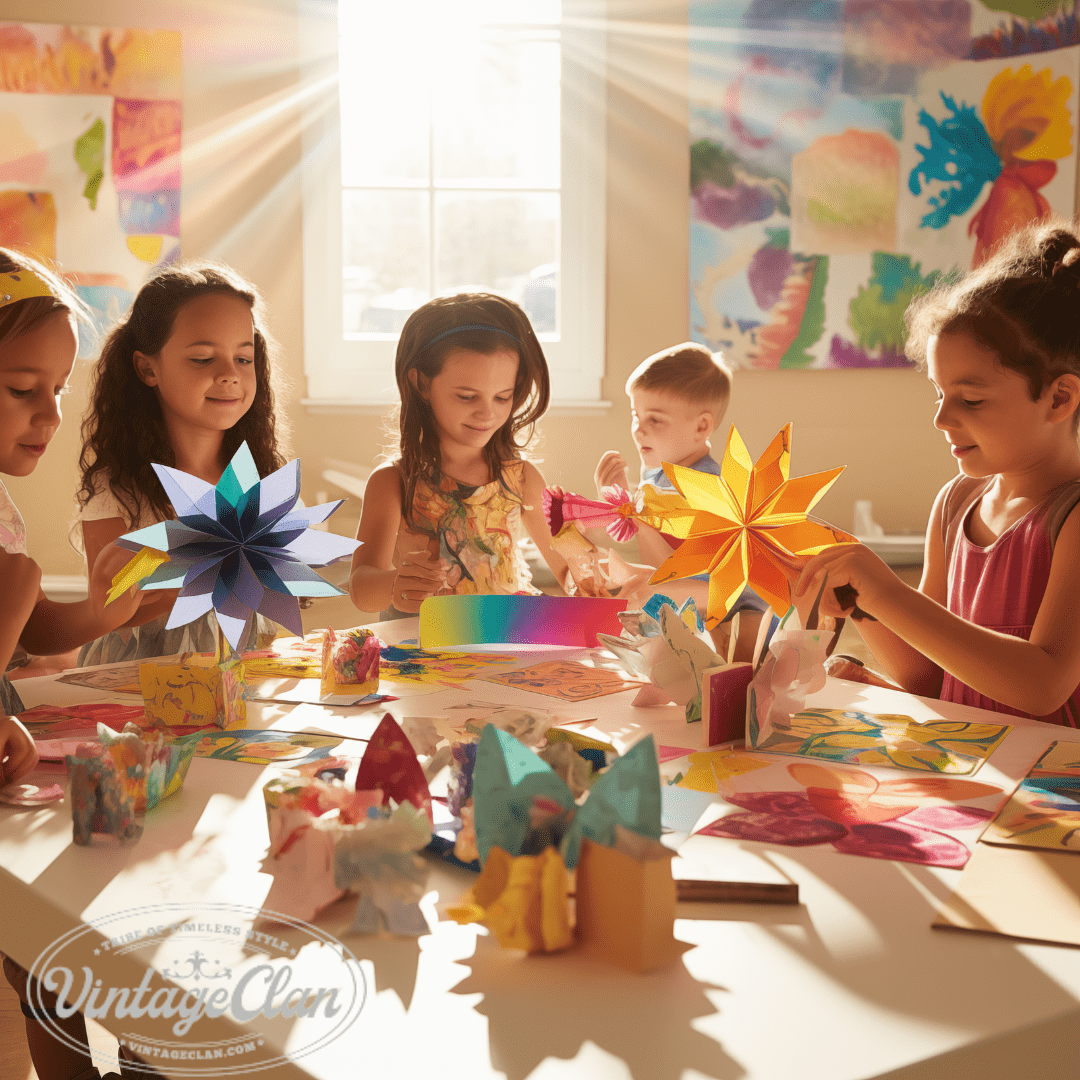
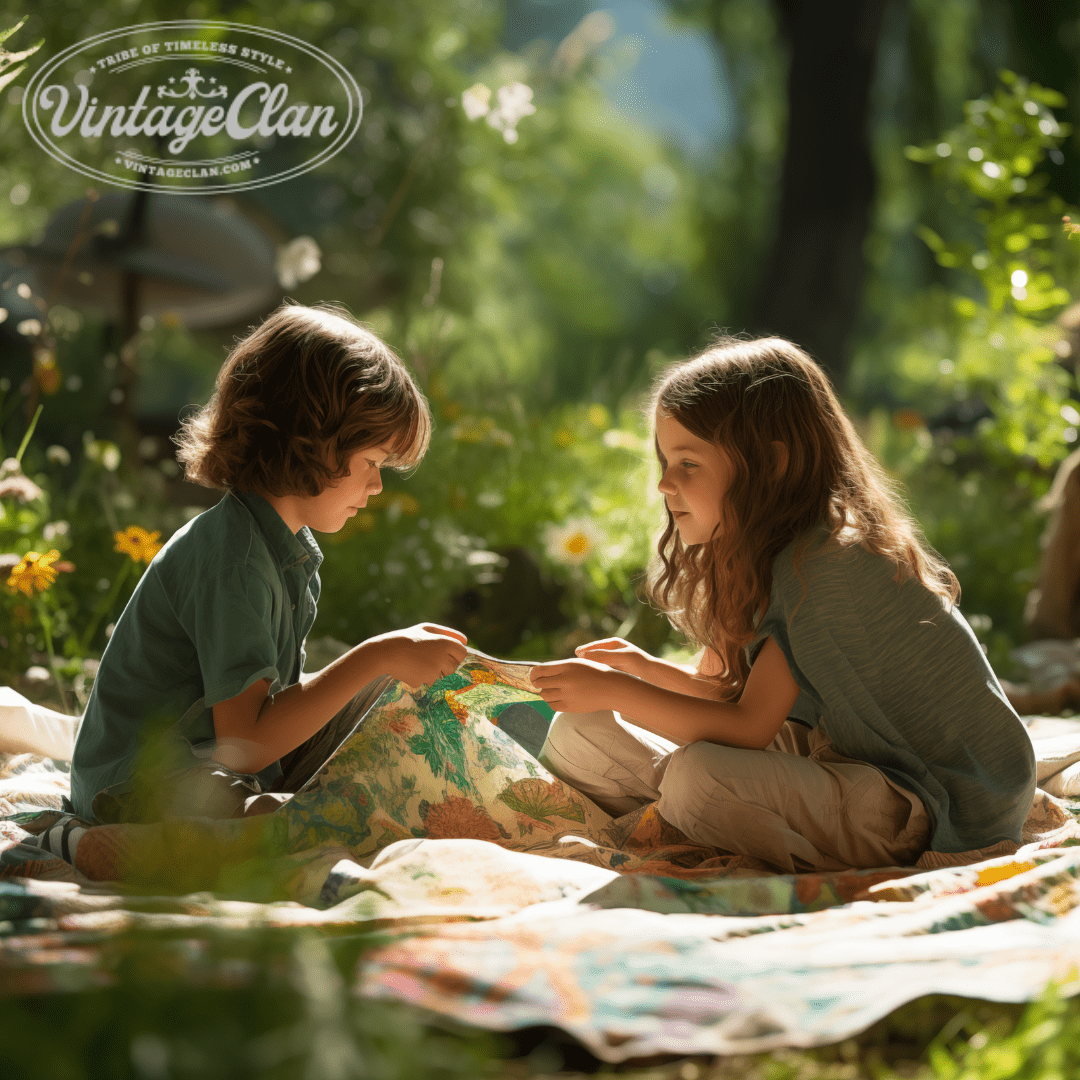
In the fast-paced digital landscape, finding ways to balance screen time with offline activities is crucial for children’s holistic development. One such enriching pursuit is the ancient art of origami – the Japanese practice of paper folding. This article explores the multifaceted benefits of embracing offline games like origami, focusing on how it not only enhances children’s communication skills and fine motor abilities but also contributes to improved brain performance. Additionally, we’ll delve into the environmental responsibility aspect, emphasizing the use of recycled paper for origami creations.
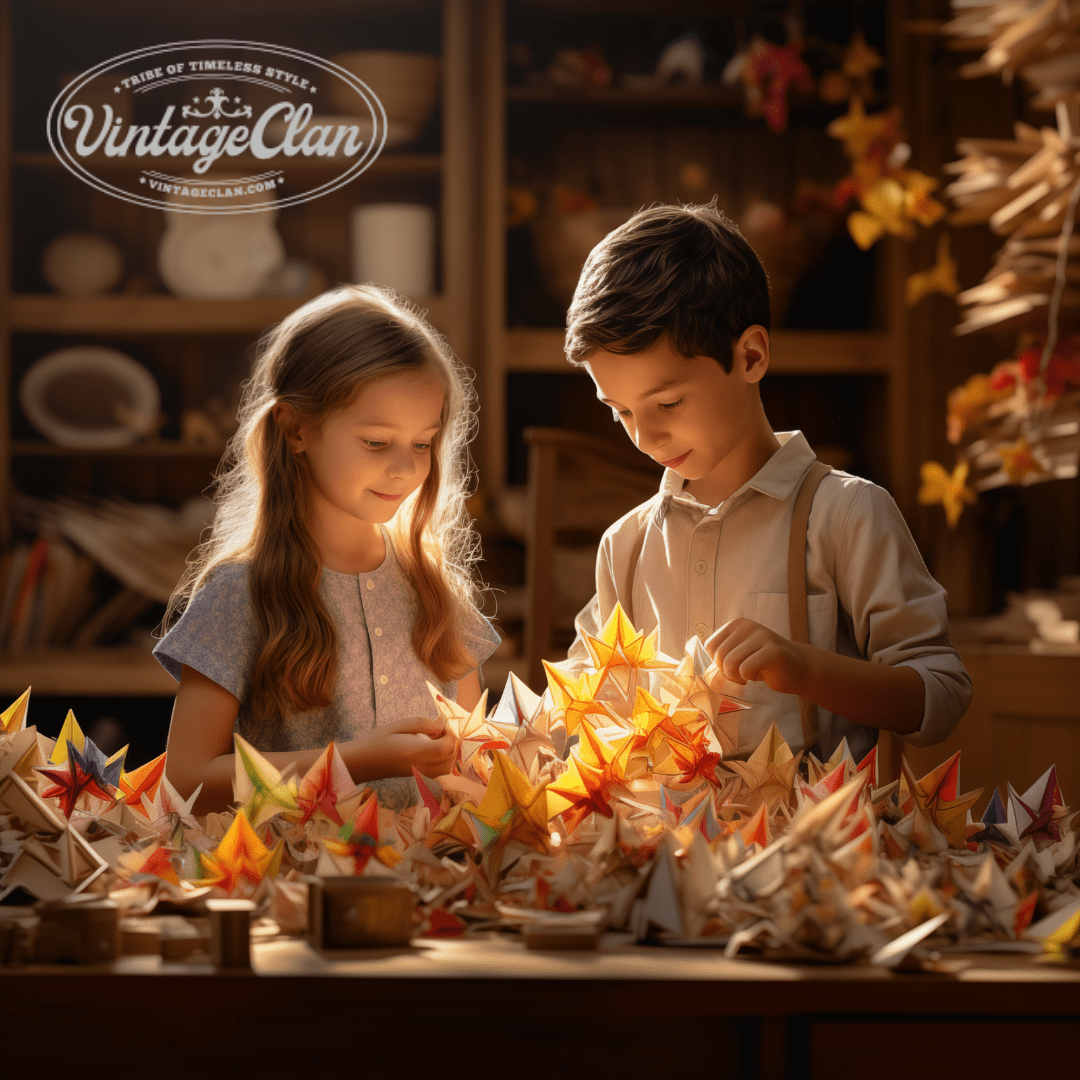
Origami requires precision and intricate folds, providing an ideal platform for honing fine motor skills. The precise movements involved stimulate various parts of the brain responsible for coordination and dexterity. This dynamic engagement contributes to the development of neural pathways, enhancing overall cognitive functionality.
The spatial reasoning involved in origami exercises the brain’s ability to understand and manipulate shapes in three-dimensional space. As children follow folding instructions and visualize the transformation of a flat sheet into a complex structure, they naturally develop spatial awareness and mathematical thinking, fostering a deeper understanding of geometry and proportions.
Origami involves a series of steps, requiring children to follow instructions in sequence. This process enhances memory retention and concentration as they focus on the task at hand. Over time, these cognitive skills can translate into improved academic performance and the ability to tackle complex problems with greater ease.
As children engage in the cognitive exercise of origami, using recycled paper adds an extra layer of cognitive sustainability. They learn that their creative pursuits can coexist harmoniously with environmentally conscious choices, fostering a holistic understanding of responsibility.
Incorporating discussions on recycling practices during origami sessions builds a foundation for ethical decision-making. Children begin to associate their cognitive exercises with responsible choices, recognizing that selecting recycled materials aligns with a broader commitment to a sustainable lifestyle.
3 minute readIn the ever-evolving narrative of our planet, the importance of sustainability has never been more paramount. We are at a…
4 minute readIn the digital age, where screens dominate our daily lives, there is a growing appreciation for the tangible and the…
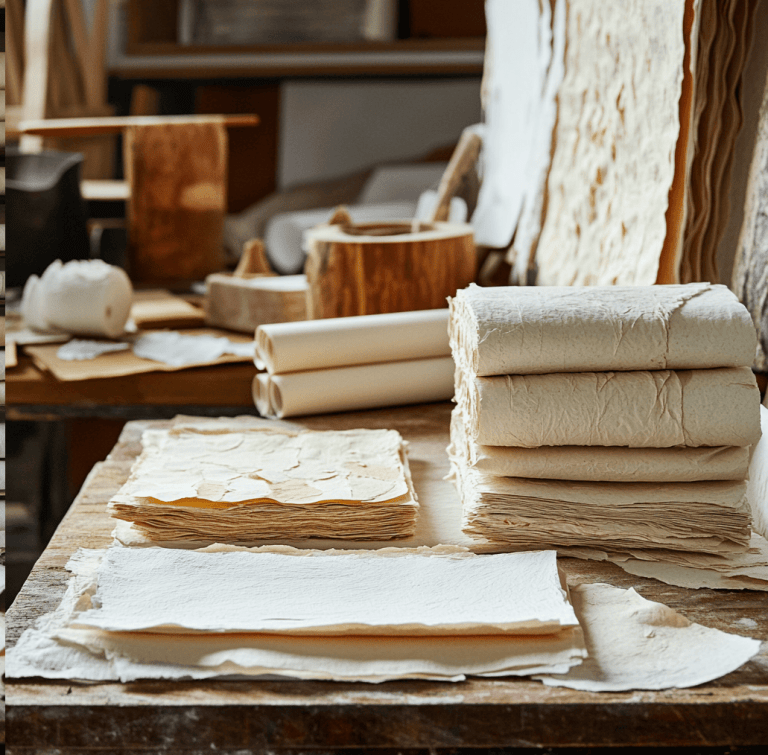
Handmade paper is more than just a product; it’s a symbol of sustainability, artistry, and heritage. In a world increasingly dominated by mass production, choosing handmade paper reflects a conscious effort to embrace eco-friendly practices and reduce environmental harm. Unlike machine-produced paper, handmade paper is often crafted from recycled materials and requires fewer resources to produce, such as water, energy, and harmful chemicals.
Its aesthetic appeal lies in the unique textures, organic edges, and imperfections that make each sheet one-of-a-kind. More than just beautiful, handmade paper is also biodegradable and free of toxic chemicals, making it an ideal choice for packaging, gift wrapping, and more. By choosing handmade paper, you are not only supporting ethical artisanship but also contributing to a more sustainable, mindful future.